
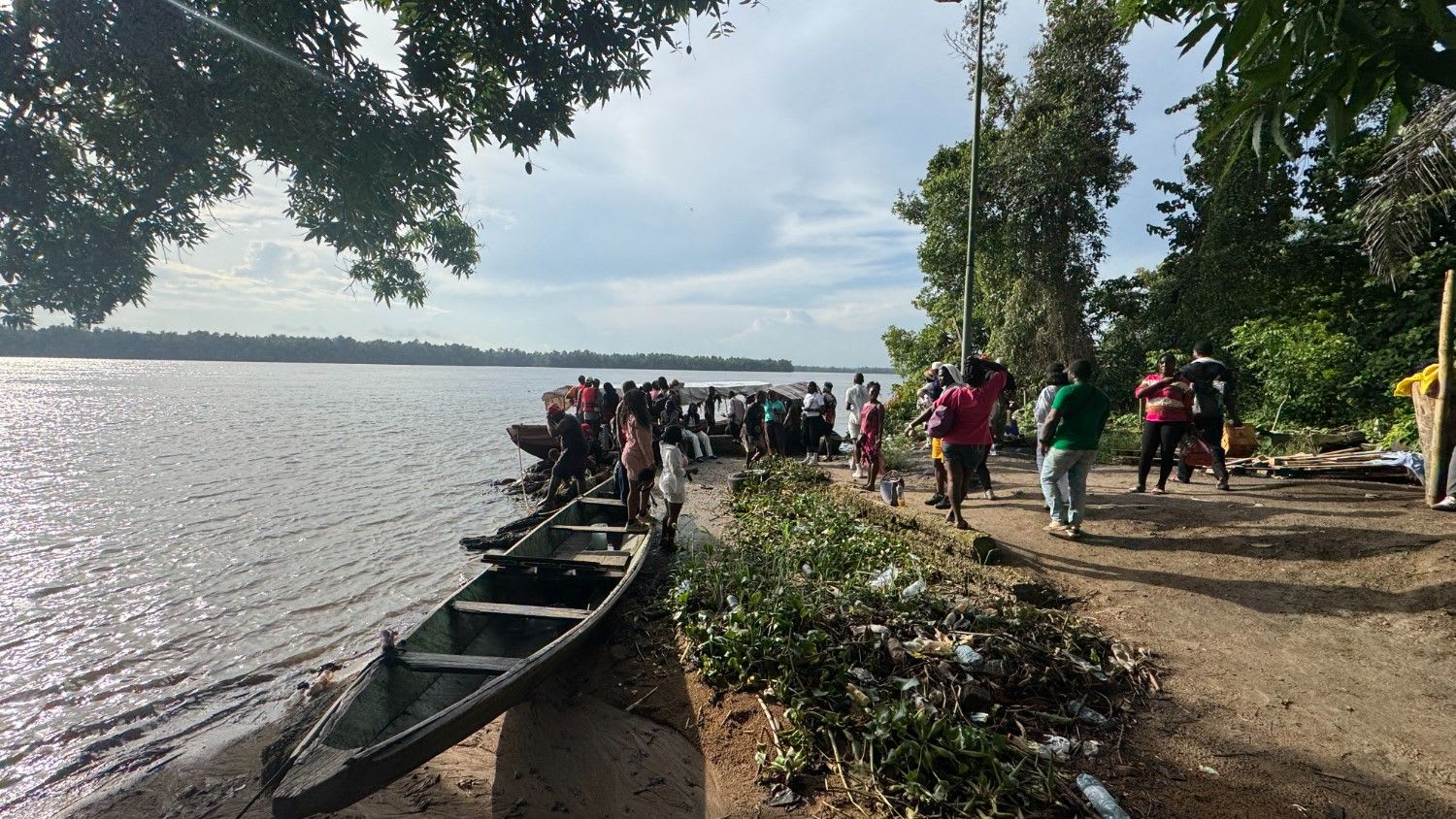
Jebale Island: The Emerald Sanctuary and Spiritual Heart of Douala’s Wouri River

Jam Stanley
May 8, 2026
<h2>The Emerald Island Across the Wouri: Discovering Jebale</h2>
<p>To most, Douala is a sprawling, high-energy economic metropolis defined by commerce and busy streets. Yet, just a twenty-minute boat ride across the Wouri River lies a completely different world. Known historically by poets as the "emerald island," <strong>Jebale Island</strong> (or Djébalè) is a tranquil, car-free eco-village where time slows down and the deep cultural roots of the coastal people remain completely untouched. For travelers seeking to understand the authentic soul of Cameroon's Littoral region, this hidden sanctuary offers an incredible escape into history, spirituality, and vibrant local traditions. If you want to see how this contrasts with our other island adventures, check out our deep dive into the history of <a href="https://www.travelcam237.com/blog/travel-cameroon-manoka-island-king-duala-manga-bell-history" target="_blank">Manoka Island & King Bell History</a>.</p>
<h2>The Gateway: From Bonassama into the Mangroves</h2>
<p>The journey to Jebale begins at the water’s edge in Bonassama, Bonaberi. Leaving the mainland behind, travelers board traditional motorized canoes to cross the Wouri River. Along the way, the route passes under the historic architecture of the Bonaberi Bridge, offering a sweeping view of Douala’s industrial skyline before plunging into the quiet, protective barrier of the coastal mangroves. </p>
<p>These mangroves act as the ecological lungs of Douala, filtering the air and shielding the mainland from coastal tides. For creative souls, the smooth, open-water crossing serves as the perfect canvas for inspiration, drawing a stark contrast between the urban rush and the natural peace ahead. It offers a gentler introduction to the water compared to the high-adrenaline river navigation found on <a href="https://www.travelcam237.com/blog/travel-cameroon-edea-sanaga-gorges-waterfall-adventure-vlog" target="_blank">The Edea Expedition</a>.</p>
<h2>The Spiritual Heart of the Sawa People</h2>
<p>Jebale is not just a scenic escape; it is the sacred spiritual heartbeat of the Sawa people—the "people of the sea." The island is famously home to the sanctuary of the Jengu (plural: Miengu), the mystical water spirits that mediate between the human world and the ancestors. </p>
<p>Walking into the dense, silent forests of Jebale, visitors can feel the ancient weight of these beliefs. It is here that the high initiates of the annual <a href="https://www.travelcam237.com/events/ngondo-festival" target="_blank">Ngondo Festival</a>—the historic Sawa water festival held every December—receive their training and spiritual preparation. Under the canopy of historic trees and past relics like <a href="https://en.wikipedia.org/wiki/Kamerun" target="_blank" rel="noopener noreferrer">World War I historical artifacts</a>, the island preserves a living connection to Cameroon's pre-colonial past.</p>
<h2>An Immersive Taste of Coastal Culture</h2>
<p>Life on the island is intimate and communal, split primarily between the quiet fishing communities of Jebale I and Jebale II. A hike through the narrow paths reveals historical treasures, including a historic 19th-century church building constructed during the German colonial era in 1882. </p>
<p>No journey here is complete without experiencing the vibrant flavors of Sawa hospitality. Visitors are treated to fresh, locally caught river fish, traditional egusi pudding cooked to perfection, and organic fruits picked straight from the island's coconut palms and fruit trees. This mixture of raw nature and profound peace is very reminiscent of the serene landscapes surrounding the <a href="https://www.travelcam237.com/blog/travel-cameroon-buea-sasse-shrine-waterfall-molyko-tea-estate" target="_blank">Sassé Shrine Waterfall</a> in Buea.</p>
<h2>Where Traditions Come Alive: Besua and Community</h2>
<p>The cultural preservation of Jebale is best experienced through its active customs. The island is a famous ground for <strong>Besua</strong>, the traditional Sawa wrestling style. This combat sport is a raw demonstration of skill, agility, and ancestral pride, where local champions showcase their strength in front of cheering crowds. </p>
<p>Coupled with classic communal activities like competitive tug-of-war on the green fields, Jebale naturally fosters a profound sense of connection. It is a place that strips away modern distractions and reminds every traveler of the beauty of shared human experience, deep-rooted history, and the gentle rhythm of nature. If you are looking to combine cultural depth with high-altitude exploration, you can also look into our <a href="https://www.travelcam237.com/classic-trips/mount-manengouba-experience" target="_blank">Mount Manengouba Experience</a>.</p>
<p><em>"Jebale is a living museum, an ecological sanctuary, and a reminder of the quiet majesty that sits just beyond the borders of our loudest cities."</em></p>
<p>Ready to experience Cameroon's hidden treasures? <strong>TravelCameroon</strong> organizes curated excursions to historic destinations across the country every single month. To join our upcoming adventure—spanning three countries in one day—comment <strong>"Ongola"</strong> on our latest social media post, and we will send you all the exclusive details!</p>
Comments (0)
Join the Conversation
Sign in to share your thoughts, reply to others, and like comments.